How Professionals Contain Mold (And Why You Can’t) in North Redington Beach
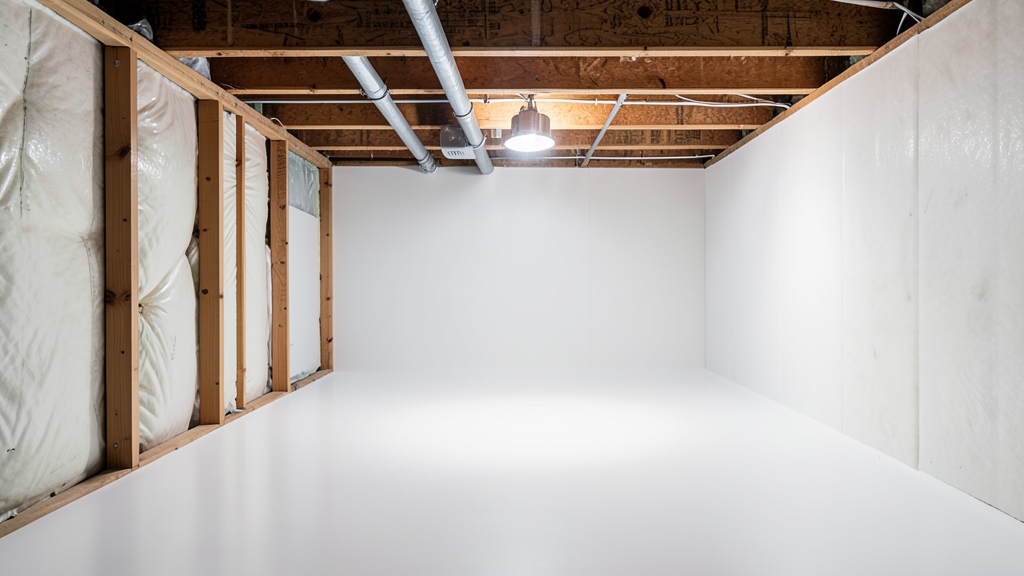
Mold doesn’t wait for permission to spread. In our coastal climate, a single unseen leak or humidity spike can turn a small patch into a full-blown infestation within days. We’ve seen homeowners in Redington Shores and Madeira Beach try DIY fixes—only to make the problem worse. Professional containment isn’t just a step; it’s the difference between a one-time remediation and a recurring nightmare.
Why Mold Containment Is Non-Negotiable in Florida
Florida’s humidity and frequent storms create a perfect storm for mold growth. Without containment, spores travel through HVAC systems, settling in attics, crawl spaces, and even neighboring rooms in Redington Beach or Indian Shores.
DIY efforts often disturb colonies, releasing millions of spores into the air. These microscopic particles can linger for hours, increasing exposure risks and making future remediation far more complex.
Disturbing mold without containment can spread contamination to previously clean areas. In coastal homes, this often means cross-contaminating living spaces from a hidden attic or crawl space source.
The Science Behind Professional Containment Systems
We use HEPA-filtered air scrubbers to capture spores as small as 0.3 microns. These machines run continuously during remediation, ensuring airborne contaminants are removed—not just redistributed.
Negative air pressure is critical. By creating a vacuum effect within the containment zone, we prevent spores from escaping to other parts of the home. This is especially vital in multi-level properties or homes with open floor plans common in North Redington Beach.
Physical barriers, typically 6-mil polyethylene sheeting, seal off the work area. These aren’t just plastic sheets—they’re meticulously taped and secured to create an airtight envelope.
DIY Containment: Where It Goes Wrong
Homeowners often use household fans or open windows to ‘air out’ moldy areas. This does the opposite of containment, propelling spores deeper into the home and even into HVAC ducts.
Plastic sheeting from hardware stores is rarely thick enough or properly sealed. Gaps, tears, or poor adhesion let spores slip through, defeating the purpose entirely.
Without air scrubbers, disturbed spores remain suspended. In Florida’s still, humid air, they settle slowly—often in hard-to-reach areas like inside walls or under flooring in Redington Shores or Indian Shores homes.
Skipping professional containment often leads to repeated remediation attempts. Each cycle disturbs more material, increasing both health risks and the final cost of resolution.
Containment in Different Home Zones
Attic mold remediation requires full containment of the space, including sealing off the hatch. Spores from attics easily drift downward, affecting living areas in North Redington Beach homes with open stairwells or poor insulation.
Crawl spaces demand vapor barriers and dehumidifiers in addition to containment. The damp, enclosed nature of these areas makes them high-risk for rapid regrowth without proper moisture control.
For water damage in basements or ground-floor units, we often extend containment to include adjacent rooms. Concrete’s porosity can harbor mold deep below the surface, requiring aggressive containment and drying.
| Area | Primary Containment Method | Additional Controls |
|---|---|---|
| Attic | Full polyethylene barrier + sealed hatch | HEPA air scrubbers, moisture control |
| Crawl Space | Vapor barrier + sealed access points | Dehumidifiers, negative air pressure |
| Basement | Full enclosure + extended barriers | Air scrubbers, moisture meters |
| Living Areas | Localized barriers + HVAC isolation | HEPA filtration, humidity monitoring |
Tools of the Trade: What Pros Use (And Why You Don’t Have Them)
Commercial-grade HEPA air scrubbers can filter thousands of cubic feet per minute. Consumer models lack the power and filtration efficiency needed for effective containment.
Negative air machines create controlled airflow, pulling air *into* the containment zone rather than letting spores escape. These require precise calibration to avoid backflow.
Moisture meters and thermal imaging cameras help us locate hidden water sources driving mold growth. Without these, containment efforts are essentially guesswork.
The Role of Moisture Control in Long-Term Containment
Containment stops the immediate spread, but moisture control prevents recurrence. In North Redington Beach, outdoor humidity often exceeds 70%, making indoor climate control a year-round battle.
Dehumidifiers are non-negotiable in mold-prone areas. We recommend units capable of maintaining humidity below 50%—the threshold at which most mold species struggle to grow.
Fixing leaks, improving ventilation, and addressing condensation (especially in attics and crawl spaces) are critical. Without these steps, even perfect containment is a temporary fix.
Moisture Control Must-Dos After Containment
- Install dehumidifiers in high-risk areas (crawl spaces, basements, attics)
- Repair all leaks in roofs, pipes, or windows immediately
- Improve ventilation in bathrooms, kitchens, and laundry rooms
- Use moisture-resistant materials (e.g., paperless drywall) in remediated areas
- Monitor humidity levels regularly with a hygrometer
When Containment Isn’t Enough: Full Remediation Steps
Containment is the first step, but remediation requires removing affected materials. Porous items like drywall, insulation, and carpeting often must be discarded if moldy.
We use antimicrobial treatments on non-porous surfaces to kill remaining spores. These are industrial-strength solutions, not the vinegar or bleach often suggested in DIY guides.
Post-remediation verification is critical. Air quality testing ensures spore levels are back to normal, and visual inspections confirm no hidden colonies remain.
Many homeowners assume the job is done when the mold is gone. But without post-remediation testing, you risk undetected contamination. We always recommend third-party air quality testing for peace of mind.
How to Identify If You Need Professional Containment
Not every mold issue requires full containment, but these signs mean it’s time to call in the pros.
- 1Assess the Size
If the moldy area exceeds 10 square feet, containment is likely necessary. Larger infestations release significantly more spores when disturbed.
- 2Check for Hidden Growth
Mold behind walls, under flooring, or in HVAC systems always requires professional containment. Disturbing these areas without it can spread spores house-wide.
- 3Evaluate Health Symptoms
If occupants report respiratory issues, headaches, or allergies, the mold may already be airborne. Containment is critical to prevent further exposure.
- 4Consider the Material
Porous materials (drywall, ceiling tiles, carpet) often harbor mold deep within. Removing these without containment releases embedded spores.
- 5Review Past Water Damage
Homes in North Redington Beach, Redington Shores, or Madeira Beach with prior water intrusion are at high risk. Even dried-out areas can reactivate with humidity spikes.
Frequently Asked Questions
Can I contain mold myself with plastic sheeting and tape?
Plastic sheeting alone isn’t enough. Without HEPA filtration, negative air pressure, and proper sealing, spores will escape. In Florida’s humid climate, this often leads to cross-contamination in adjacent rooms or even neighboring homes in dense beachside communities.
How long does professional mold containment take in North Redington Beach?
Containment setup typically takes a few hours, but the duration depends on the infestation size and location. Attic or crawl space containment in Redington Beach or Indian Shores homes may require additional time due to access challenges. The full remediation process, including drying and verification, usually spans 3–7 days.
Is containment necessary for small mold patches?
For very small, surface-level mold (under 10 sq ft) on non-porous materials, containment may not be required. However, if the mold is in a high-traffic area, near HVAC vents, or on porous materials, professional containment is strongly advised to prevent spread.
What’s the difference between containment and encapsulation?
Containment isolates the mold to prevent spread during remediation. Encapsulation involves sealing moldy surfaces (like crawl space joists) with a specialized coating to trap spores. Encapsulation is sometimes used *after* remediation for long-term protection, but it’s not a substitute for containment.
Does homeowners insurance cover mold containment in Florida?
Coverage varies by policy and the cause of the mold. Sudden water damage (e.g., a burst pipe) is more likely to be covered than long-term humidity issues. Always check your policy and document the damage thoroughly. We recommend requesting a quote to understand the scope before filing a claim.
Can mold come back after professional containment and remediation?
Yes, if the root cause (moisture) isn’t addressed. In coastal areas like North Redington Beach, recurring humidity or undetected leaks can lead to regrowth. That’s why we emphasize moisture control and post-remediation testing as part of the process.