Mold Prevention 101: How to Maintain 30-50% Humidity in North Redington Beach
In our coastal climate, humidity is the silent fuel for mold growth. Keeping indoor levels between 30-50% starves spores before they take root. We’ll show you how to measure, control, and sustain that sweet spot—year-round.
Why 30-50% Humidity Is the Mold Prevention Sweet Spot
Mold spores need moisture to germinate. Below 30%, they go dormant; above 60%, they thrive. The 30-50% range disrupts their lifecycle without harming your home’s structure or your comfort.
Florida’s coastal air often pushes indoor humidity past 60%, especially in summer. Without active control, attics and crawl spaces in Redington Shores or Indian Shores become breeding grounds.
Signs Your Home Is Holding Too Much Moisture
Condensation on windows or pipes is a red flag. So are musty odors, peeling paint, or warped wood—classic indicators of elevated humidity.
Hidden leaks in walls or under flooring can spike local humidity. We often find these during mold inspections in Madeira Beach and Redington Beach homes.
Early Warning Signs of Excess Humidity
- Persistent condensation on interior surfaces
- Musty smells in closets or basements
- Paint bubbling or wallpaper peeling
- Allergy flare-ups indoors (sneezing, itchy eyes)
- Visible mold spots on baseboards or ceilings
Tools to Measure Humidity Accurately
A hygrometer is your first line of defense. Digital models with remote sensors let you monitor multiple zones, like attics or crawl spaces, where humidity often spikes unseen.
For precision, we use calibrated psychrometers during mold testing. These account for temperature variations, which affect relative humidity readings.
| Tool | Accuracy | Best For | Cost Factor |
|---|---|---|---|
| Basic hygrometer | ±5% | Single-room checks | Low |
| Digital hygrometer with remote probes | ±3% | Whole-home monitoring | Moderate |
| Psychrometer (sling or digital) | ±2% | Professional inspections | High |
| Smart home system (e.g., Ecobee, Nest) | ±3-5% | Automated tracking | Moderate to High |
Proven Ways to Lower and Stabilize Indoor Humidity
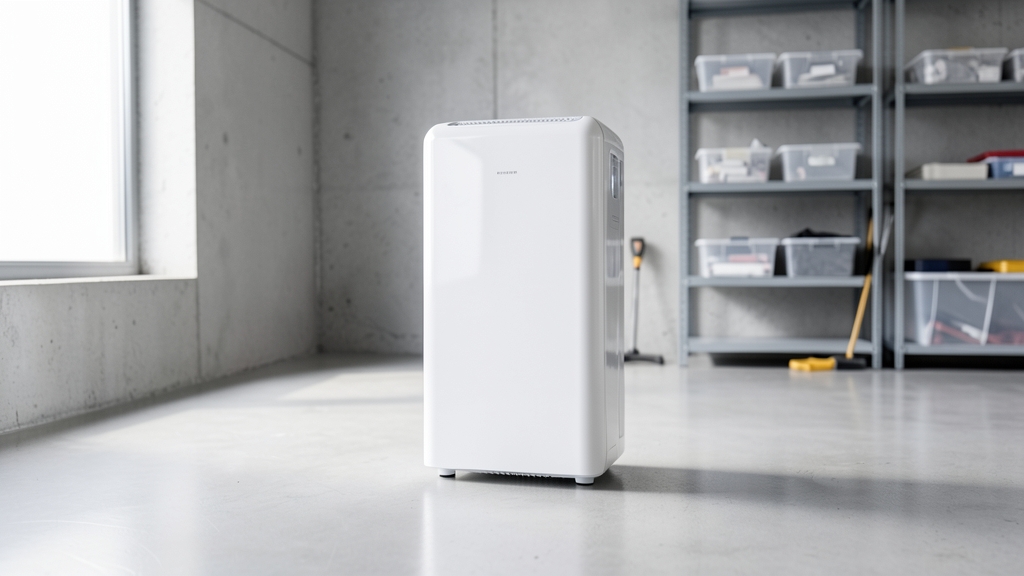
Dehumidifiers are essential in our area. For whole-home control, integrate a dehumidifier with your HVAC system. Portable units work well for basements or crawl spaces in older homes.
Exhaust fans in kitchens and bathrooms should vent outside, not into attics. We see this mistake often in Redington Shores homes, leading to attic mold remediation needs.
Seal gaps around windows, doors, and ductwork. Even small leaks pull humid outdoor air inside, especially during our long, wet summers.
For a 1,000 sq. ft. space, aim for a 30-pint unit. Larger or wetter areas (like crawl spaces) may need 50-70 pints. Always empty the tank or use a drain line to avoid stagnant water.
HVAC and Ventilation: Your Humidity Workhorses
Your air conditioner naturally dehumidifies as it cools. But if it’s oversized, it’ll cycle on and off too quickly, leaving moisture behind. A properly sized system runs longer, removing more humidity.
Consider a dedicated dehumidification system for homes in Madeira Beach or Indian Shores, where outdoor humidity consistently exceeds 70%. These systems work independently of your AC.
Targeting Problem Areas: Attics, Crawl Spaces, and Basements
Attics trap heat and moisture. Ridge vents, soffit vents, and radiant barriers help, but we often add a dehumidifier or exhaust fan for attic mold remediation projects.
Crawl spaces need vapor barriers and, in many cases, a sealed encapsulation system. Without these, ground moisture wicks up into your home’s frame—common in older North Redington Beach properties.
Basements (rare here but present in some custom homes) require sump pumps, French drains, or interior drainage systems to manage water intrusion before it becomes a mold issue.
Sealing a crawl space without addressing water intrusion first traps moisture inside. Always fix leaks and grade the soil away from the foundation before encapsulating.
Daily Habits to Keep Humidity in Check
Run bathroom exhaust fans for 20-30 minutes after showers. Open windows when outdoor humidity is lower than indoors (typically early morning or late evening in Florida).
Use lids on pots while cooking, and always use the kitchen exhaust fan. Even small activities like drying clothes indoors can add pounds of moisture to the air.
Houseplants release moisture. If you have a jungle’s worth, consider a dedicated dehumidifier for that room.
When to Call in the Pros for Mold Prevention
If you’ve spotted mold, had water damage, or can’t keep humidity below 60% despite your efforts, it’s time for a professional mold inspection. We use thermal imaging to find hidden moisture sources.
For commercial properties or large homes in Redington Beach, a customized humidity control plan may be needed. This often includes zoned dehumidification and regular air quality testing.
How to Calibrate and Use a Hygrometer for Mold Prevention
Accurate readings start with a properly calibrated tool.
- 1Test the Hygrometer
Place the hygrometer in a sealed bag with a damp (not soaking) paper towel for 6-8 hours. It should read ~95-100% RH. If not, it needs calibration or replacement.
- 2Choose Monitoring Locations
Put hygrometers in high-risk areas: bathrooms, kitchens, attics, crawl spaces, and near any past water damage. Avoid direct sunlight or drafts.
- 3Take Readings at the Same Time Daily
Humidity fluctuates with temperature and activity. Check levels in the morning and evening for a true picture.
- 4Log and Compare
Track readings for a week. If any area consistently exceeds 50% RH, take action—adjust ventilation, add a dehumidifier, or investigate leaks.
- 5Recheck After Changes
After implementing fixes, monitor for another week to confirm humidity stays in the 30-50% range.
Frequently Asked Questions
Why is mold more common in North Redington Beach than in drier climates?
Our coastal location means high outdoor humidity year-round, frequent rain, and warm temperatures—ideal conditions for mold spores to activate. Poorly ventilated homes trap this moisture inside, accelerating growth.
Can I just use my AC to control humidity?
Your AC helps, but it’s not designed for precise humidity control. On mild days, it may not run enough to dehumidify. A dedicated dehumidifier is more reliable, especially in problem areas like crawl spaces.
How often should I run my dehumidifier in North Redington Beach?
In summer, run it continuously if humidity creeps above 50%. In cooler months, use it as needed based on hygrometer readings. Empty the tank daily or install a drain line to prevent stagnant water.
What’s the difference between mold removal and mold remediation?
Mold removal is the physical act of cleaning or discarding moldy materials. Remediation addresses the root cause—like fixing leaks or improving ventilation—to prevent regrowth. We always include both in our process.
Are there any natural ways to reduce humidity?
Yes, but they’re limited. Houseplants like peace lilies absorb some moisture, and charcoal briquettes can help in small spaces. However, for our climate, mechanical solutions (dehumidifiers, exhaust fans) are far more effective.
I rent in Redington Shores. What can I do if my landlord won’t address humidity issues?
Document the problem with photos and hygrometer readings. Request a mold inspection in writing, citing Florida’s landlord-tenant laws on habitability. Portable dehumidifiers and moisture absorbers (like DampRid) are temporary fixes you can use yourself.